Permanent LED Lights Installment for Residence That Want Subtle, Magnificent Illumination
A well-lit home has a means of changing exactly how a home feels long before any individual reaches the front door. The best outside illumination can sharpen building lines, soften dark corners, and make a house appearance took care of without promoting the fixtures themselves. That is why more homeowners are looking beyond temporary strands and seasonal arrangements and investing in Permanent LED Lights Installment that functions every night of the year.
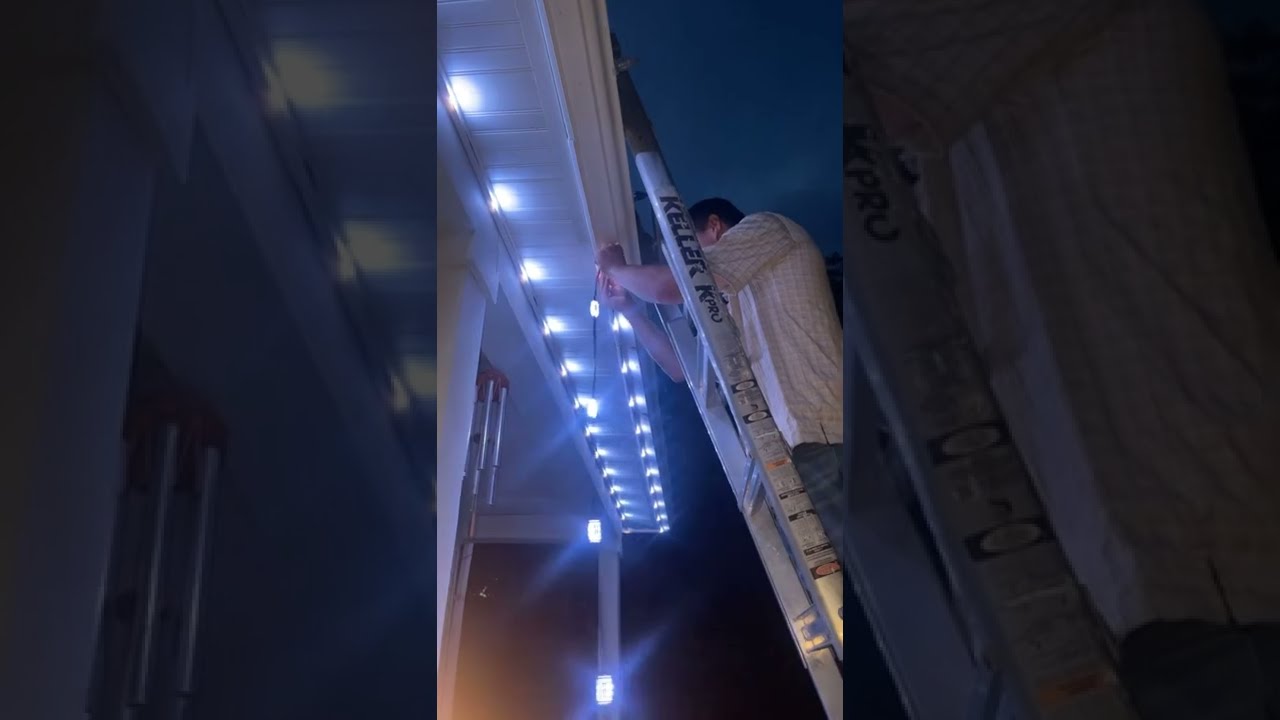
What draws many people in is not the vacation angle, at least not in the beginning. It is the promise of control, uniformity, and restriction. You can have a home that shines gently on an average Tuesday in February, shifts to a welcoming pattern for a yard dinner in June, and transforms joyful in December without climbing up a ladder as soon as. When the system is made well, it does not shout for attention. It simply makes the house appearance better.
That distinction matters. There is a big difference between lights that embellishes and lights that elevates. Permanent systems can do both, however the best tasks begin with the 2nd goal.
Why refined illumination is more difficult than it looks
The expression "subtle exterior lighting" sounds easy until you try to attain it. A lot of property owners have seen the contrary done badly: rough identifies under every eave, dissimilar shades, hotspots over garage doors, and enough illumination to make a house appearance squashed instead of dimensional. Exterior illumination is very easy to overdo because LEDs are reliable, compact, and bright. Too intense, in many cases.
The most successful installments have a tendency to borrow from landscape lights concepts. Rather than asking, "Just how much light can we include?" The better inquiry is, "What should the eye notification after dark?" On a craftsman-style residence, that might be the roofline and entrance columns. On a contemporary home, maybe the clean geometry along the fascia and soffits. On a block colonial, the target is commonly a cozy boundary that protects the home's symmetry as opposed to turning each architectural component into its very own little spotlight.
This is where Long-term Holiday Lights have developed in a useful means. Early systems frequently leaned greatly right into color-changing novelty. Newer, much better systems can absolutely do animated holiday scenes, yet they additionally supply polished white tones, dimming control, zoning, and organizing that make them practical as daily architectural lights. For numerous homes, the most-used setup is not red and eco-friendly in December. It is a low-output, cozy white setting at 20 to 40 percent brightness for the various other eleven months.
I have actually seen house owners hesitate because they imagine an irreversible system as aesthetically evident in daytime. That problem stands, and it should be addressed before anything is set up. The best installments vanish. Track color should carefully match the soffit or fascia. Wire runs ought to be concealed. Fixture spacing should comply with the roofline cleanly instead of compeling unpleasant gaps. If you can stand at the aesthetic at twelve noon and hardly see the system, that is typically a great sign.
The situation for irreversible over temporary
Anyone that has set up typical holiday lights more than two times knows the regular. Disentangling cords in the garage. Replacing dead light bulbs. Fighting clips that break in the cold. Staring at a high roofline while acting the ladder angle is secure sufficient. Then doing the whole thing again backwards a few weeks later.
Permanent systems resolve that obvious headache, however convenience is just one component of the tale. The larger benefit is integrity combined with layout versatility. When the lights are installed and programmed, your house gains a lights layer that can be made use of for vacations, events, video game days, celebrations, safety and security, and everyday curb allure. That indicates one financial investment serves multiple functions rather than resting idle most of the year.
There is additionally a cost discussion worth having truthfully. An Irreversible LED Lights Setup is not inexpensive compared to buying a few boxes of temporary lights at a big-box shop. Relying on the size of your home, roof intricacy, control system, availability, and whether the job consists of garage lines, optimals, gables, and back elevations, rates can vary from a few thousand bucks into the low five figures. That said, lots of homeowners ignore what they currently spend over time on replacement strings, clips, storage space bathtubs, expansion cords, timers, and periodic labor. Much more notably, they often tend to disregard the price of time and threat. A steep second-story roof covering is not the location to save cash with a DIY compromise.
When people say irreversible lighting "spends for itself," I usually push back on the expression. Not every outside upgrade requires a stringent economic return. This set is frequently extra concerning minimizing headache, improving appearance, and obtaining consistent use from a system that adapts to the household. If you are the kind of homeowner that values an organized exterior and makes use of outside rooms frequently, the return often tends to really feel apparent also if it never fits neatly into a spreadsheet.
Warm light usually wins
Color-changing capability gets the marketing focus, however Classic Warm Soft Lights are what make an irreversible system feel sophisticated. On the majority of homes, specifically those with rock, block, timber accents, or warmer paint colors, a soft white in the 2200K to 3000K variety looks richer and extra welcoming than an amazing white. It flatters structure. It produces depth. It makes entryways feel occupied as opposed to showroom-bright.
Cooler whites can work on some modern homes with crisp finishes, yet also after that, too much blue in the shade temperature level can make the exterior feel sterilized. Warm light tends to age better cosmetically. It additionally mixes even more normally with interior light spilling through home windows, patio sconces, and landscape lighting.
Brightness matters just as long as color temperature level. I typically inform house owners that if they can plainly see every single diode from the street, the system is possibly also brilliant for daily use. Permanent illumination needs to frequently be lowered for routine evening procedure. Save the full strength for events or when you want a more visible effect.
An installer with good judgment will certainly not just ask what colors you like. They will ask exactly how you live. Do you amuse outdoors? Do you desire the house to really feel welcoming from the driveway but not control the block? Is your area dark and quiet, or brightly lit with lots of seasonal display screens? Those solutions form the ideal settings far more than a sales brochure packed with shade options.
Where the system should go, and where it must not
Roofline illumination is the noticeable starting point, yet not every side of a residence requires lighting. As a matter of fact, over-lighting is one of the simplest means to make a premium system look affordable. The goal is to create willful lines, not trace every feasible perimeter.
Front altitudes typically are entitled to the most attention because that is where the website home's identification rests. Main rooflines, front-facing gables, porch areas, and garage describes prevail prospects. Back elevations depend upon just how the yard is used. If there is a patio, pool location, or outdoor kitchen area, adding areas to the rear of the house can make sense. If the back is mainly concealed and seldom used after dark, the return might be limited.
Eaves and soffits are preferred placing areas due to the fact that they conceal fixtures well and create a down laundry or regulated factor result depending on the product. Fascia setups can work also, however the information matter. You desire sightlines, spacing, and accessory methods that look intentional in daylight and clean at night.
Some rooflines fight the concept. Really luxuriant trim, heavily interrupted lines, or surfaces with bad placing access can generate unpleasant changes. High peaks might require specialized lifts or add labor that changes the business economics of the task. Historic homes likewise deserve added treatment. An irreversible system can enhance an older home beautifully, but only if the installment respects the style and does not leave noticeable plastic tracks where they do not belong.
The innovation behind a polished result
Not all irreversible systems are built the exact same. The noticeable result depends on numerous technical choices that homeowners seldom see in advertisements.
LED density and spacing identify whether the light reads as a populated pattern or a much more unified architectural line. Closer spacing provides even more control and typically a cleaner appearance, however it can raise expense. Lens style impacts spread and glare. Private addressability issues if you want computer animated scenes or specific shade sections. Lowering top quality issues if you respect warm, underrated every night use. App design issues due to the fact that an effective system comes to be annoying fast if configuring it seems like running commercial equipment.
Power shipment also is entitled to attention. Longer runs, bigger homes, and complex rooflines might need wise intending around voltage drop, control placement, and shot points. This is one factor specialist setup matters. A system that looks penalty on day one but creates inconsistent illumination, shade drift, or unstable sectors later on was not really "great" in all. It was under-engineered.
Weather resistance is an additional area where the details matter. Exterior-rated elements must be basic, however scores year round permanent led lighting alone do not ensure a durable set up. I focus on exactly how connectors are secured, exactly how infiltrations are secured, how low-voltage lines are transmitted, and whether the installing surface area can manage seasonal expansion and contraction. Freeze-thaw cycles, wind, straight sunlight, and motoring rain expose weak handiwork quickly.
What an excellent installment process really looks like
A polished outcome starts prior to anybody opens up a ladder. The installer needs to review the home from several angles, not just stand in the driveway and give a rough guess. They need to consider roofing system elevation, access, fascia problem, offered power, existing exterior lights, and locations where the system can conceal naturally.
Good business generally mock up parts of the roofline digitally or a minimum of talk with most likely areas and utilize situations in practical terms. That matters because home owners frequently believe they want maximum coverage up until they see just how much cleaner a selective style can look. More lights is not automatically better lighting.
On installment day, cleanliness matters. Tracks or networks ought to run right and real. Corners ought to be managed with treatment as opposed to compelled. Control boxes must be put where they are protected and serviceable. Cable administration should not look like an afterthought. If the staff leaves a residence with perfect nighttime photos yet untidy daytime information, the task was only half done.
Programming is the other fifty percent of the handoff. An irreversible system is just beneficial if the property owner can in fact use it. I such as to see a couple of prefabricated scenes established before the staff leaves: a daily warm white, a weekend enjoyable mode, a holiday preset, and probably a low late-night setup. If the app is filled with dozens of complex results but none of the functional everyday scenes are developed, the system frequently goes underused.
Questions worth asking before you work with anyone
The easiest means to spot a weak installer is to ask functional inquiries and pay attention for obscure responses. You do not need to end up being a lighting engineer, yet you do require to recognize just how the firm thinks.
- How visible will the track and wiring be during the day?
- What cozy white variety does the system offer, and exactly how well does it dim?
- How are long runs powered to stay clear of irregular brightness?
- What does the service warranty cover, labor consisted of or parts only?
- Can the system be serviced or expanded later on without replacing everything?
The responses should seem details, not rehearsed. A solid installer can discuss compromises clearly. They should fit discussing look in daytime, not just app functions and vacation animations.
Matching the illumination design to the house
One of the most common errors in exterior lights is choosing results that compete with the home's style. A residence with typical lines, shutters, and fully grown landscaping rarely gain from aggressive motion patterns or excessively saturated color as a day-to-day setting. It often looks better with mild, cozy boundary lighting. A minimal modern home might bring a cleaner white line or discerning accent color extra easily, however also there, small amounts has a tendency to age better.
Neighborhood context matters also. In some locations, strong holiday screens become part of the regional society, and a programmable roofline fits right in. In quieter areas, a polished look has more staying power. The best permanent systems let house owners join the joyful side when they want to, after that return the house to something made up and elegant the remainder of the year.
I bear in mind one homeowner who originally wanted every roofing system edge, dormer, and back line lit due to the fact that he had actually seen an on the internet video clip full of remarkable effects. After a brief mockup, he changed direction entirely. We focused on the primary front roofline, the deck return, and the garage framing. After that we established a daily scene with cozy white at low outcome. The outcome made the home look more costly, not much more enhanced. A month later he stated the surprise was how often they used the lights outside the vacations. His household suched as pulling right into a gently lit house every evening. That sort of remark shows up often.
Maintenance is light, not nonexistent
One marketing factor of Permanent Holiday Lighting is reduced maintenance, which is mainly real. But "long-term" does not indicate "never ever requires focus." Exterior systems stay in rough problems. Elements age. Applications upgrade. Trees become sightlines. Gutter work or roof replacement might need temporary coordination.
The excellent information is that regular maintenance is usually small if the original installation was strong. The majority of house owners mainly need to examine that routines still line up with seasonal sundown modifications, validate the application remains linked after network updates, and periodically clean noticeable dirt or debris from available parts if build-up influences appearance.
A couple of practical practices help prolong the life of the system:
- Keep tree branches from scrubing versus tracks or wiring.
- Test key scenes a few weeks prior to significant holidays.
- Notify roofing professionals, painters, and gutter teams that illumination is installed.
- Save application qualifications and scene settings someplace secure.
- Ask the installer just how solution phone calls are dealt with prior to you need one.
That is about as demanding as it gets for a lot of homes. Compared with the annual ritual of hanging and getting rid of temporary strands, the difference is significant.
Energy use and operating costs
Homeowners frequently assume a huge long-term lighting system need to eat an obvious quantity of power every night. In method, LED efficiency maintains costs reasonably modest, particularly when the system is gone for lower illumination for routine use. Actual energy consumption depends upon the number of nodes, illumination degree, shade selection, control design, and nightly schedule, but several homes can operate a daily cozy white scene for less than individuals expect.
Colorful computer animated scenes, full brightness vacation screens, and all-night procedure will certainly increase use, naturally. So will covering every elevation of a huge home. Still, modern-day LED systems remain far more efficient than older incandescent vacation lighting. The larger expense driver is almost always installment, not month-to-month electricity.
This is an additional factor subtle illumination is so attractive. A restrained, cozy, dimmed setup not only looks far better on a lot of houses, it generally makes use of less energy as well. Great layout and performance usually direct in the exact same direction.
When long-term lighting is not the best move
For all their advantages, permanent systems are not universally ideal. If a property owner likes altering décor designs every period and appreciates the ritual of setting up specialty design by hand, long-term roofline lighting may not change that experience. If the house is due for significant outside improvements, roof covering replacement, or fascia repair in the near future, it might be smarter to wait and incorporate the lighting afterward. If the home's architecture uses few tidy installing opportunities and the installer can not conceal the system correctly, the daytime appearance might not justify the investment.
Budget is an additional straightforward limiter. If the selection is in between a well-done partial installment and an extended, jeopardized full-house setup, I would often pick the partial. Beginning with the front altitude where the visual influence is best. Increase later if the system enables. A restrained initial stage normally looks far better than a sprawling job that exceeds the budget plan and cuts corners on item quality or workmanship.
The best outcomes feel inevitable
That might seem like a weird requirement for lights, yet it is the one I return to. When a Permanent LED Lights Setup is done extremely well, it feels as though your house was constantly implied to look that way after dark. The components disappear. The brightness feels gauged. The cozy tone flatters products rather than whitening them. Vacation scenes become an alternative, not the entire identity of the system.
That is why subtle, spectacular illumination has come to be the benchmark. Homeowners are not simply acquiring lights. They are purchasing control over mood, visibility, and visual allure, evening after evening, period after season. The greatest projects appreciate the design, represent daily life, and prioritize Traditional Cozy Soft Lights as long as cheery color. They make a home look more inviting on an ordinary night, which is where most of life actually happens.
If that is the objective, permanent lighting can be one of the most rewarding exterior upgrades a house owner makes. Not because it is fancy, however since it silently boosts the way the home is seen and really felt, each time the sun goes down.